networking fit
Intel X520 10G Proxmox Notes
Intel X520 10G Proxmox Notes helps Proxmox builders validate Intel X520 before depending on it for VM traffic, NAS traffic, firewall workloads, or cluster links.
Independent third-party notes. Verify critical homelab changes against primary docs and your exact hardware revision.
Quick Answer
Intel X520 10G Proxmox Notes helps Proxmox builders validate Intel X520 before depending on it for VM traffic, NAS traffic, firewall workloads, or cluster links.
Key Facts
- Decision focus
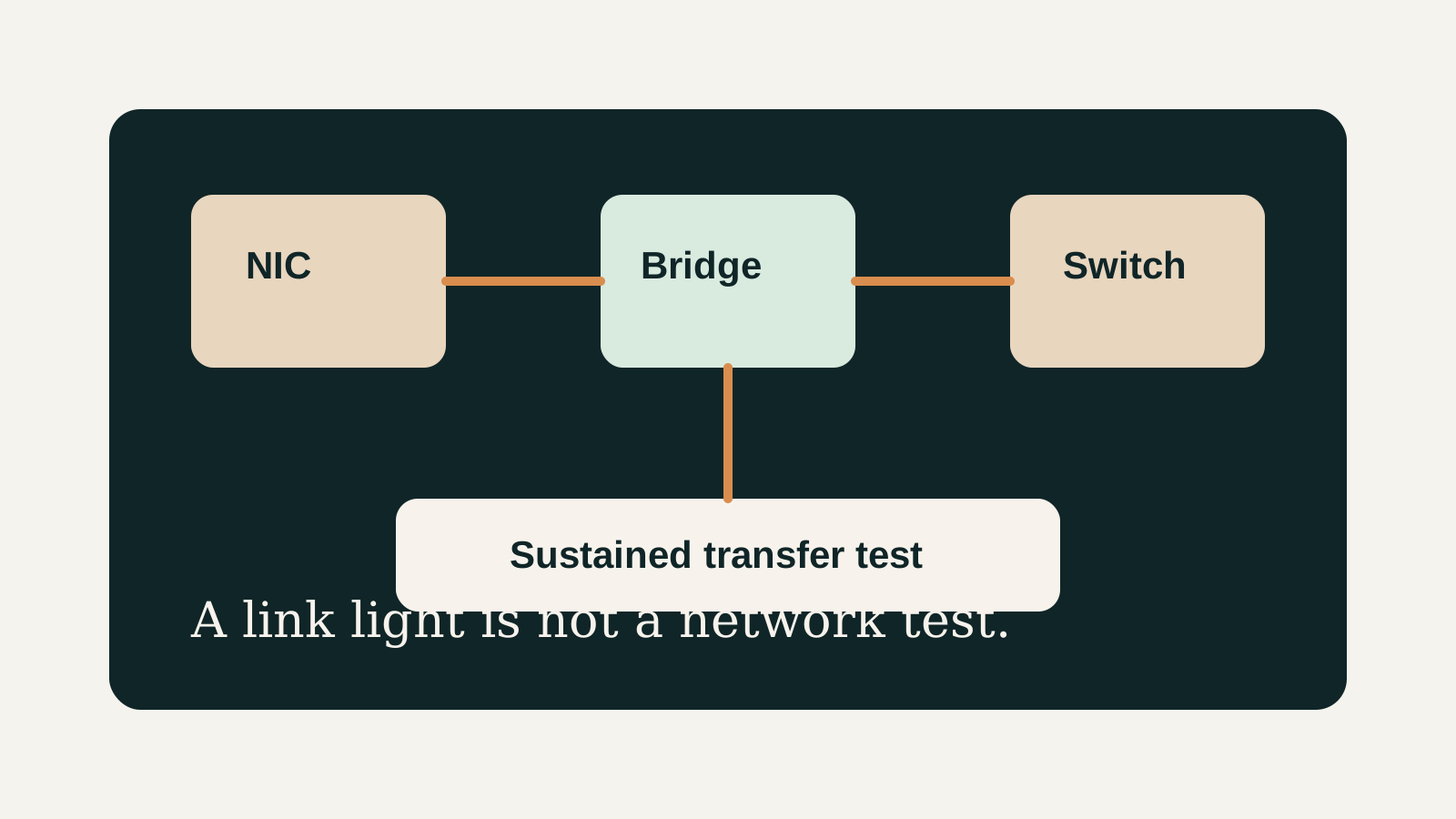
- Network fit depends on the NIC, driver path, bridge configuration, switch, cable, and workload.
- Bridge rule
- Proxmox guests normally use a Linux bridge mapped to the intended physical interface.
- Testing rule
- A web UI load is not enough; sustained traffic and guest connectivity should be tested.
- Best use
- check Intel X520 10G fit.
Recommended Checks
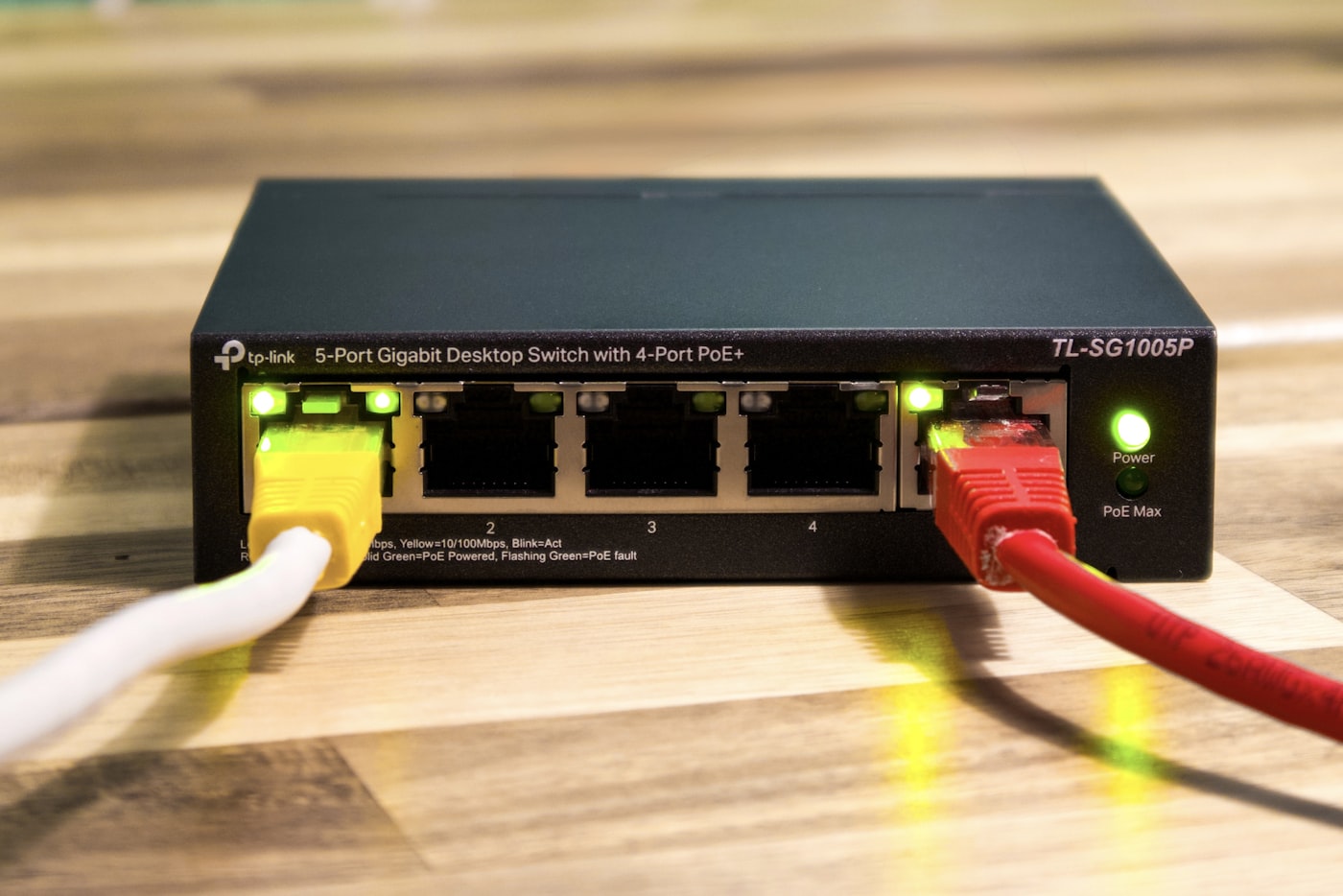
- Identify the exact NIC or network feature from the running host.
- Record bridge name, physical interface, expected link speed, switch port, and cable.
- Confirm host management access before editing network configuration.
- Test VM connectivity through the bridge.
- Run sustained transfers and watch for link drops or errors.
Verification
- The host links at the expected speed.
- A VM attached to the bridge reaches the LAN.
- Sustained traffic does not flap or drop the link.
Warnings
- Remote-only network edits can lock you out of a single-host homelab.
- Switch negotiation, VLAN mistakes, and cables can mimic driver problems.
Best For
- Mini PC networking checks
- Proxmox bridge troubleshooting
- NIC buying decisions
Not For
- Unmapped enterprise VLAN redesigns
- WAN firewall debugging without topology notes
- Assuming a NIC model alone proves stability
Common Beginner Traps
- Testing only from the Proxmox web UI
- Editing the wrong interface name
- Skipping cable and switch checks
Examples
NIC / feature:
Physical interface:
Bridge:
Expected speed:
Switch port:
VLANs:
Transfer test result:
FAQ
What should I test first?
Confirm interface naming, bridge mapping, link speed, switch port, cable, and a VM-level connectivity test.
Is a faster NIC always better?
Not if storage, switch, cabling, or workload design cannot use the extra speed reliably.