networking fit
ConnectX-3 Proxmox Notes
ConnectX-3 Proxmox Notes helps Proxmox builders validate Mellanox ConnectX-3 before depending on it for VM traffic, NAS traffic, firewall workloads, or cluster links.
Independent third-party notes. Verify critical homelab changes against primary docs and your exact hardware revision.
Quick Answer
ConnectX-3 Proxmox Notes helps Proxmox builders validate Mellanox ConnectX-3 before depending on it for VM traffic, NAS traffic, firewall workloads, or cluster links.
Key Facts
- Decision focus
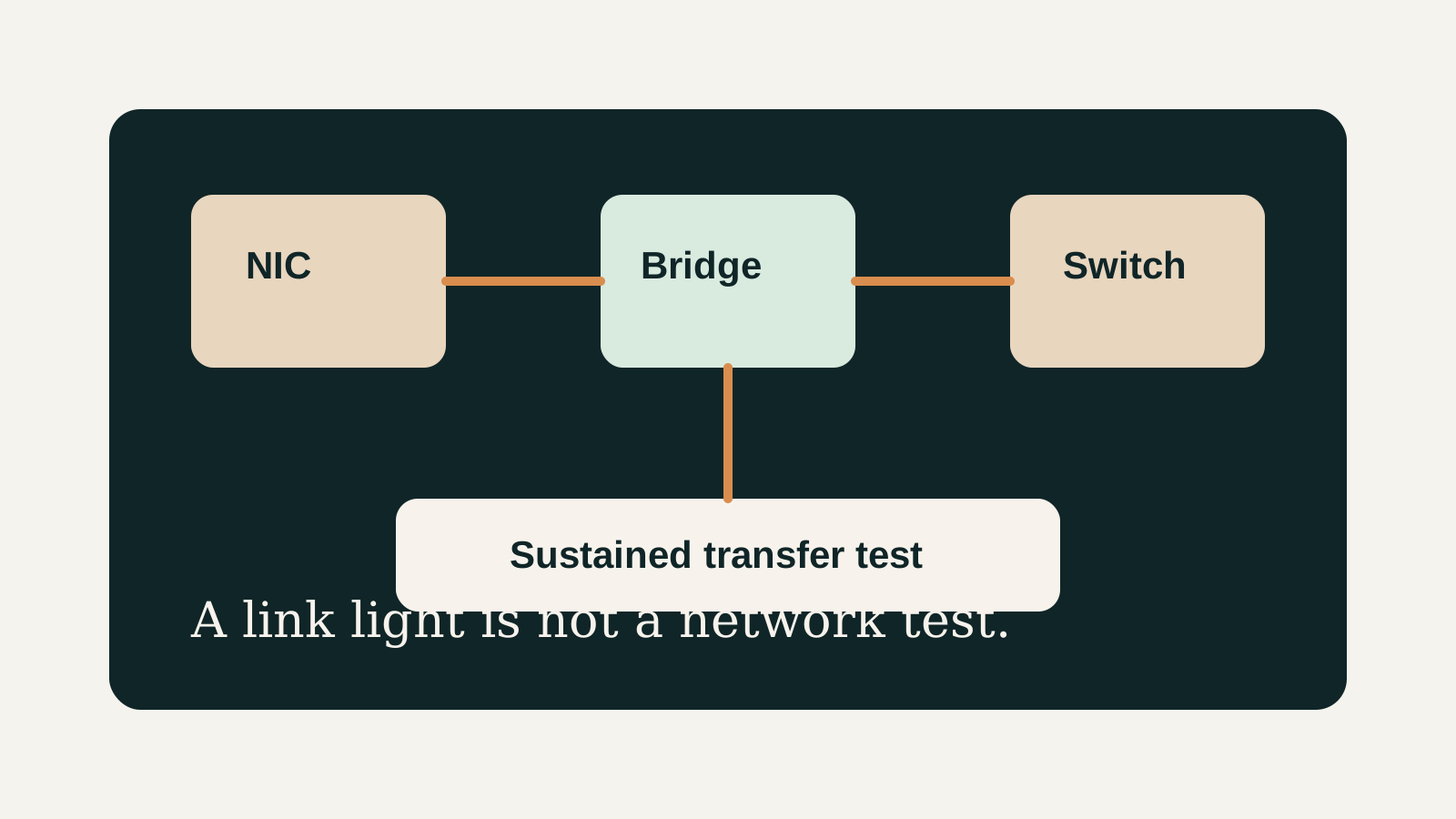
- Network fit depends on the NIC, driver path, bridge configuration, switch, cable, and workload.
- Bridge rule
- Proxmox guests normally use a Linux bridge mapped to the intended physical interface.
- Testing rule
- A web UI load is not enough; sustained traffic and guest connectivity should be tested.
- Best use
- check Mellanox ConnectX-3 fit.
Recommended Checks
- Identify the exact NIC or network feature from the running host.
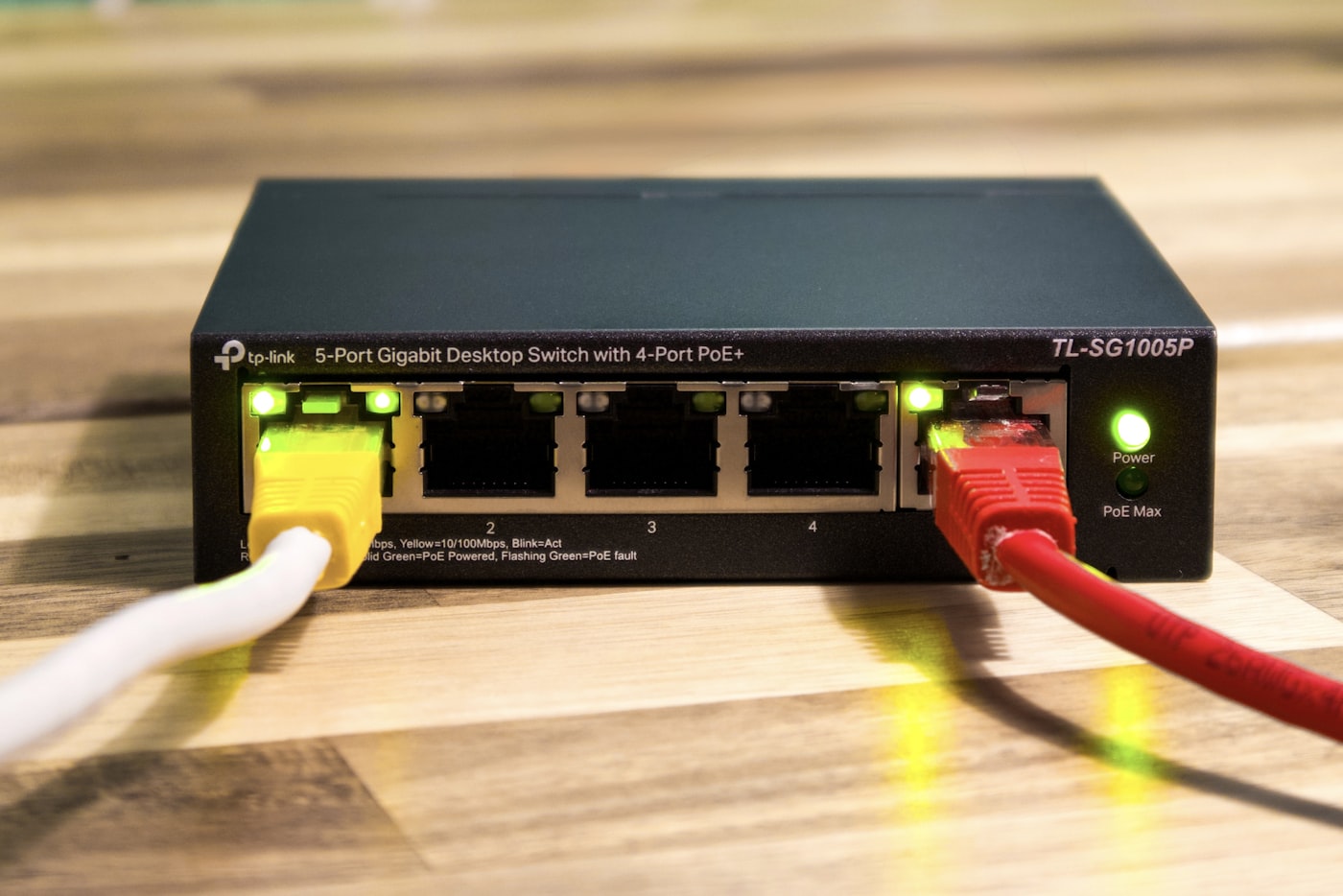
- Record bridge name, physical interface, expected link speed, switch port, and cable.
- Confirm host management access before editing network configuration.
- Test VM connectivity through the bridge.
- Run sustained transfers and watch for link drops or errors.
Verification
- The host links at the expected speed.
- A VM attached to the bridge reaches the LAN.
- Sustained traffic does not flap or drop the link.
Warnings
- Remote-only network edits can lock you out of a single-host homelab.
- Switch negotiation, VLAN mistakes, and cables can mimic driver problems.
Best For
- Mini PC networking checks
- Proxmox bridge troubleshooting
- NIC buying decisions
Not For
- Unmapped enterprise VLAN redesigns
- WAN firewall debugging without topology notes
- Assuming a NIC model alone proves stability
Common Beginner Traps
- Testing only from the Proxmox web UI
- Editing the wrong interface name
- Skipping cable and switch checks
Examples
NIC / feature:
Physical interface:
Bridge:
Expected speed:
Switch port:
VLANs:
Transfer test result:
FAQ
What should I test first?
Confirm interface naming, bridge mapping, link speed, switch port, cable, and a VM-level connectivity test.
Is a faster NIC always better?
Not if storage, switch, cabling, or workload design cannot use the extra speed reliably.